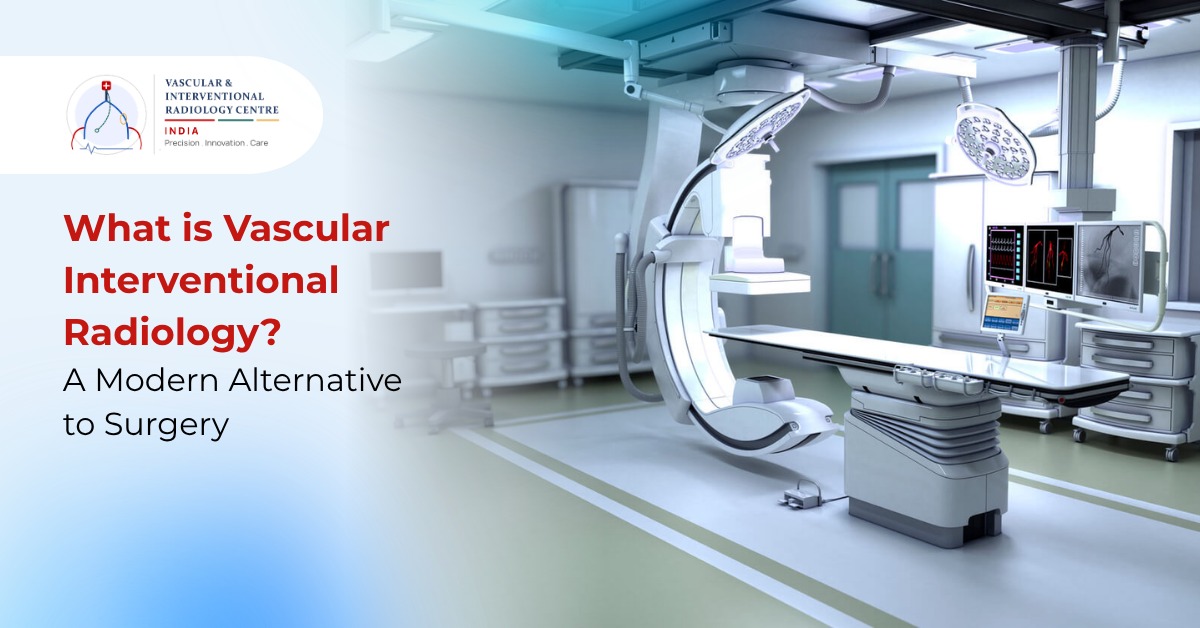
What is Vascular Interventional Radiology? A Modern Alternative to Surgery
Vascular Interventional Radiology (VIR) is transforming the way many medical conditions are treated today. Unlike traditional surgery, which often requires large incisions and longer recovery times, interventional radiology uses minimally invasive, image-guided techniques to diagnose and treat diseases with precision and efficiency.
Understanding Vascular Interventional Radiology
Vascular Interventional Radiology is a subspecialty of radiology that uses imaging technologies such as CT scans, ultrasound, and fluoroscopy to guide tiny instruments like catheters through blood vessels to the targeted area. These procedures are typically performed through small incisions, often no larger than a pinhole. This approach allows doctors to treat a variety of complex conditions without the need for open surgery, making it a preferred choice for many patients and healthcare providers.How Does It Work?
During a vascular interventional procedure, a radiologist inserts a thin tube (catheter) into a blood vessel, usually through the wrist or groin. Using real-time imaging, the doctor navigates the catheter to the affected area to deliver treatment directly. Procedures can include:- Opening blocked arteries (angioplasty and stenting)
- Blocking abnormal blood flow (embolization)
- Treating tumors with targeted therapies
- Managing blood clots and vascular malformations
Benefits of Minimally Invasive Procedures
One of the biggest advantages of vascular interventional radiology is its minimally invasive nature. Compared to traditional surgery, patients experience:- Less pain and discomfort
- Reduced risk of complications
- Minimal scarring
- Shorter hospital stays
- Faster recovery time
Conditions Treated with Vascular Interventional Radiology
VIR can treat a wide range of conditions across different parts of the body, including:- Peripheral Arterial Disease (PAD): Narrowed arteries that reduce blood flow to limbs
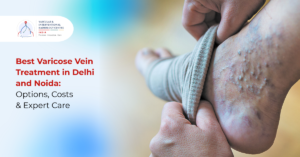
- Varicose Veins: Enlarged, twisted veins commonly seen in the legs
- Uterine Fibroids: Non-cancerous growths in the uterus
- Liver Tumors: Both primary and metastatic cancers
- Aneurysms: Abnormal bulging in blood vessel walls
- Deep Vein Thrombosis (DVT): Blood clots in deep veins